
Application of Geophysical Exploration
Investigation, Verification, and Remediation Technology Assessment at Soil and Groundwater Pollution Sites
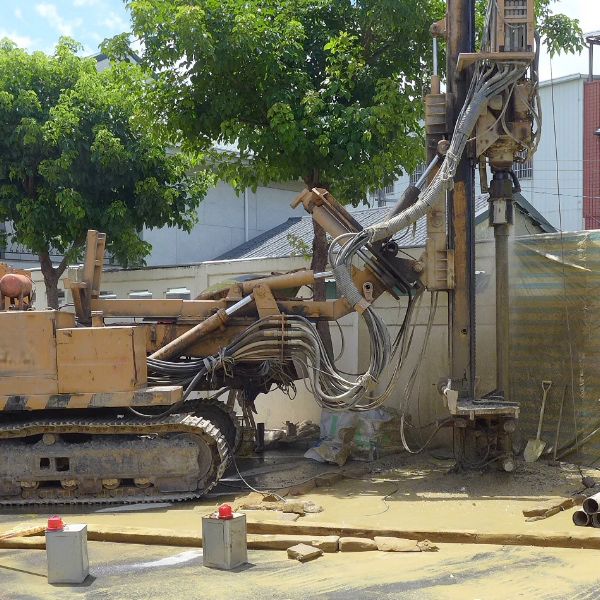
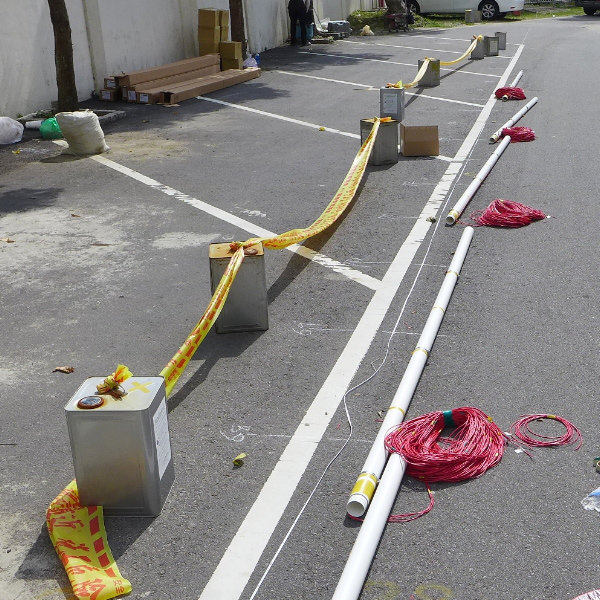
Background
Soil and groundwater pollution investigations often face challenges in delineating contamination boundaries and tracing pollution sources due to geological heterogeneity and multiple environmental factors, including physical, chemical, biological, and abiotic processes. To address these issues, Taiwan’s Environmental Protection Administration (EPA) initiated this project (2013–2016, Phase II) aimed at enhancing the accuracy and effectiveness of geophysical exploration and remediation performance evaluation in subsurface environments.
Objectives
Enhance the capability of environmental geophysical technologies to identify and interpret contamination at various soil and groundwater pollution sites.
Select representative sites with complex geology and contaminant characteristics to apply diverse geophysical methods, establishing protocols for investigation, verification, and remediation assessment.
Develop a comprehensive technical manual on geophysical exploration applications, including foundational and advanced editions tailored to field practitioners and geoscience professionals.
Approach
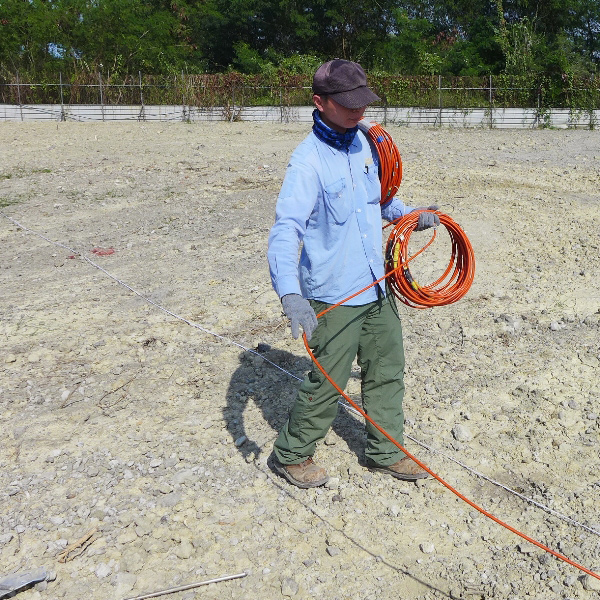
GTE collected data on the physical properties of various domestic contaminants and hydrogeological characteristics, and combined these with extensive field trials to validate the applicability of different geophysical techniques. Trial sites included low-permeability groundwater contamination zones, deep DNAPL plumes, groundwater remediation verification sites, heavy-metal burial pit cleanups, and large, complex landfill areas.
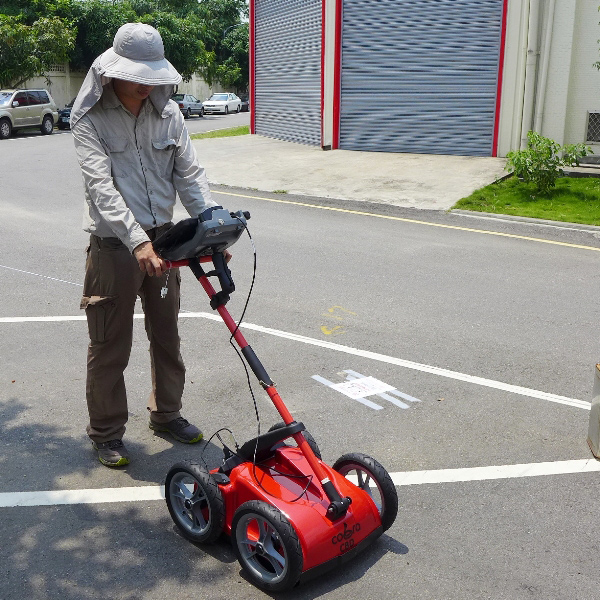
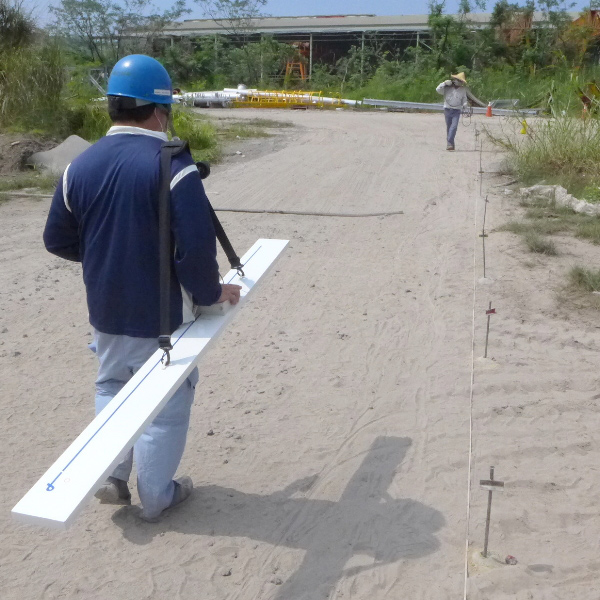
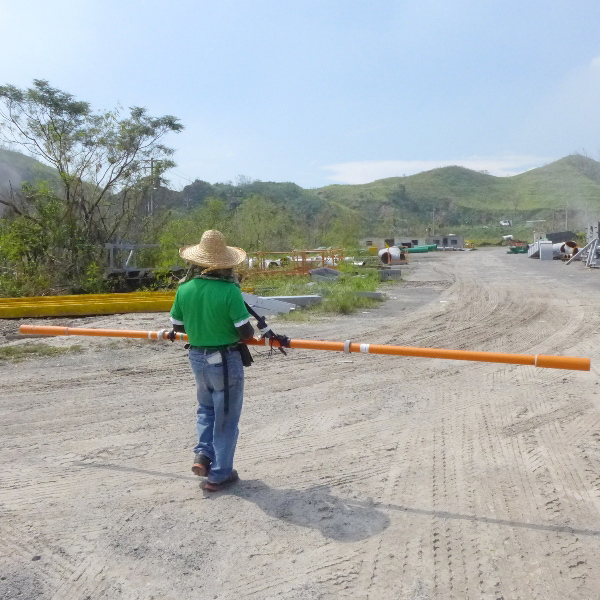
Key geophysical methods applied encompassed Electrical Resistivity Tomography (ERT), Time-Lapse Cross-Hole ERT (TL-CHERT), Ground Penetrating Radar (GPR), and Electromagnetic Methods (EM), which were compiled into a localized technical manual.
Beyond establishing local technical parameters and theoretical bases, innovative technologies such as time-lapse remediation analysis, time-domain reflectometry (TDR), self-potential (SP), array-based GPR, non-invasive electrode techniques, and automated monitoring were also field-validated.
By integrating diverse geophysical techniques tailored to site-specific conditions, GTE aims to provide precise, versatile investigative methods that effectively address complex soil and groundwater pollution challenges.