
De-listed Site
Groundwater Remediation on Public Land at the Southern Taiwan Science Park
Site Background
The Southern Taiwan Science Park, established in 1969 and covering 97.81 hectares, initially focused on labor-intensive industries. It has since transformed into a technology-driven hub for semiconductor and electronics manufacturing, currently hosting around 80 companies.
Pollution Status
According to environmental regulations, routine soil and groundwater monitoring is required within the park.
In 2006, groundwater on public land in the park was found to exceed standards for trichloroethylene (TCE) and 1,1-dichloroethylene (1,1-DCE). Later, in 2015 and 2020, the Environmental Protection Bureau (EPB) designated areas along the northeastern and western perimeters as groundwater pollution control sites.
Since the public land has no production activities, pollution likely originates from contaminant plumes migrating from nearby factories. Additionally, early groundwater extraction may have disrupted contaminant flow, complicating source identification and increasing remediation challenges.
Approach
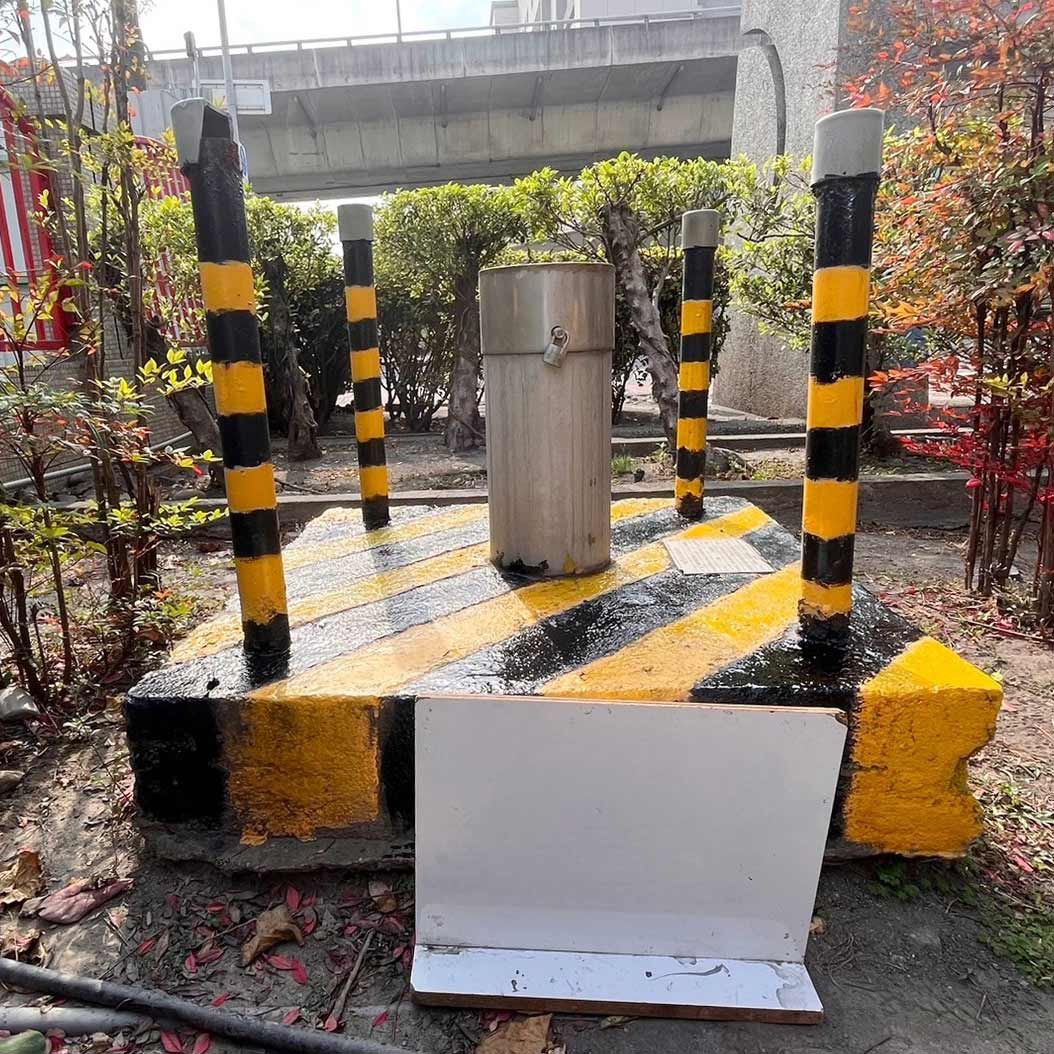
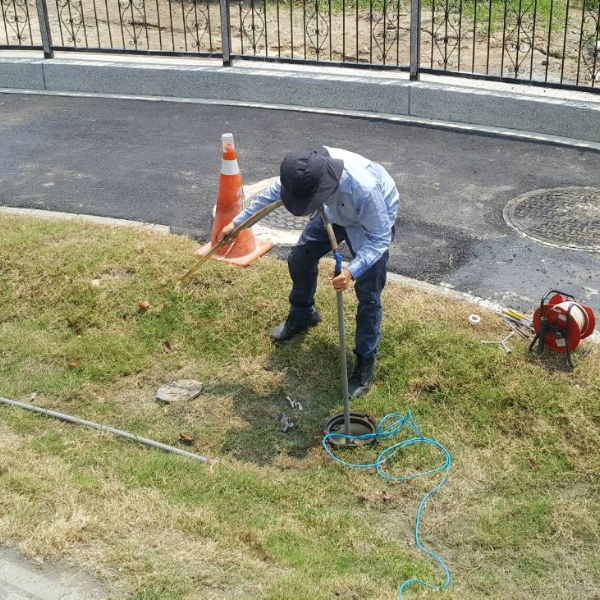
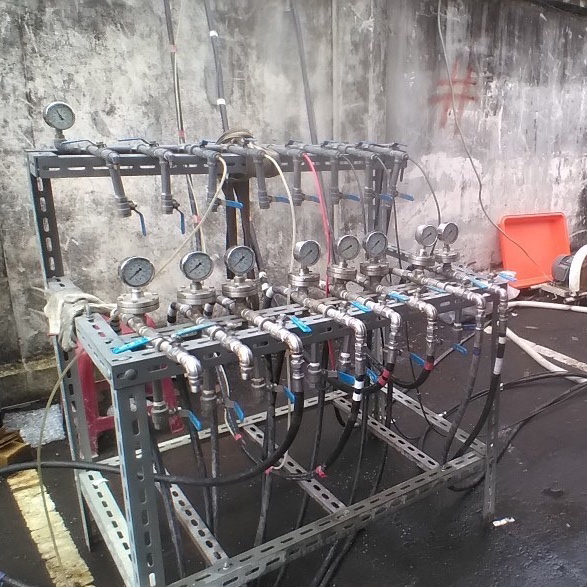
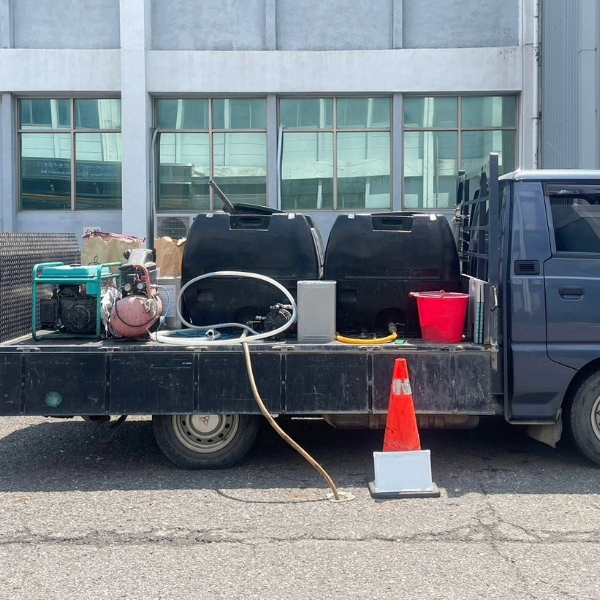
During remediation, GTE conducted on-site pilot tests using various in situ methods and reagents targeting chlorinated organic contaminants. Focusing on enhanced anaerobic bioremediation, GTE collaborated with a Japanese bioremediation reagent company and a domestic molecular biotechnology firm to develop customized, high-performance degradative reagents and proprietary local microbial agents, significantly improving pollutant degradation efficiency.
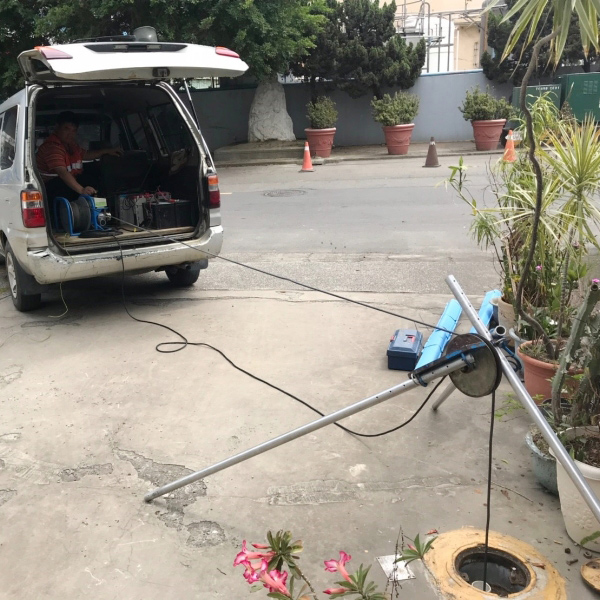
By applying advanced investigation, assessment, and multi-depth injection techniques, GTE enhanced the effectiveness of remediation. Non-invasive surveys lowered investigation costs while precisely delineating contamination boundaries. Dynamic monitoring of reagent distribution allowed real-time adjustments, ensuring optimal treatment results.
After 3 to 4 years of intensive remediation, GTE successfully achieved de-listing of the northeast and west perimeter groundwater pollution control sites in 2018 and 2022. Follow-up monitoring confirmed stable contaminant levels with no rebound, meeting regulatory requirements and ensuring long-term operational stability.